The County Line: Where a Handful of Officials Quietly Decide Who Counts
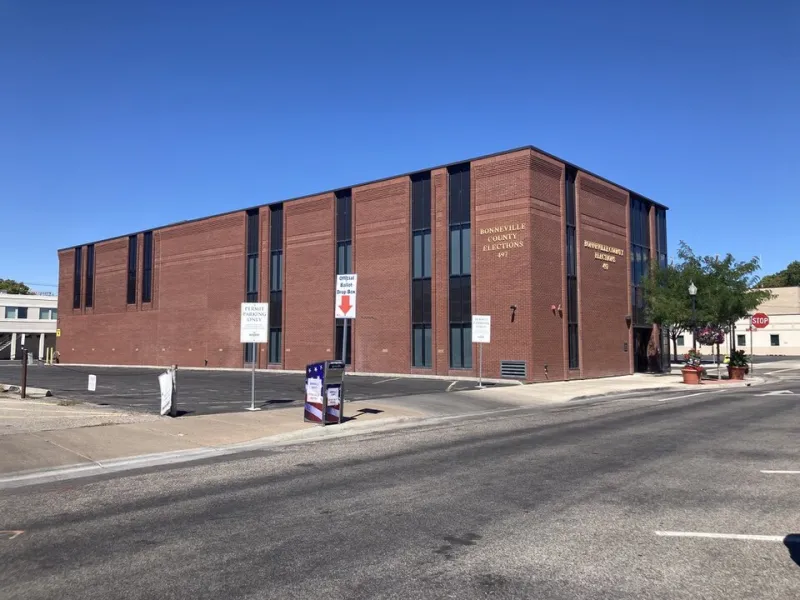
Photo: PA Uploader, CC0, via Wikimedia Commons
National elections are, mechanically speaking, a few thousand county-level decisions wearing a national costume. The senator gets on television; the person who decides where the polling place sits, how the ballot reads, and when the count gets certified does not. In close races, that asymmetry is the whole story.
Here are five levers of local election power that deserve more attention than they get.
1. The Precinct Closer
Consolidating polling places is administratively rational — it saves money and consolidates trained staff. It also lengthens lines, disproportionately in college towns, dense urban neighborhoods, and areas with many voters without cars. A single county decision to cut the number of voting sites can add forty-five minutes to someone's wait, and wait time is the most reliable predictor of whether an occasional voter gives up. In counties decided by two or three points, the precinct map is effectively a turnout policy.
2. The Ballot Designer
Ballot order effects are real and measurable: candidates listed first enjoy a small but persistent edge, particularly in down-ballot races with low information. Ballot design also determines how easily voters make errors — misaligned ovals, confusing judicial retention sections, multi-page layouts. An election manager who insists on plain-language design and randomized ordering is making a tiny, invisible contribution to fairness. One who doesn't is making a tiny, invisible contribution to something else.
3. The Deadline Interpreter
State law sets certification timelines, but counties interpret them. Whether a mail ballot postmarked by Election Day but arriving late counts; whether a voter has three days or ten to cure a signature problem; whether the office stays open the extra evening before the deadline — these are judgment calls made at the county counter, one voter at a time. Two counties operating under identical statutes can produce materially different rates of rejected ballots.
4. The Maintenance Scheduler
Voter list maintenance — cancellations, address updates, inactive designations — happens continuously and quietly. Federal law requires notice and waiting periods, but the pace and diligence of the work varies by county. Aggressive purging before a presidential year, or lax updating that leaves rolls stale, both generate friction and fodder for post-election claims. The county official doing this unglamorous work is, in effect, setting the terms of the next conspiracy theory.
5. The Certifier Under Pressure
Finally, the person who signs the canvass. Since 2020, several county officials have faced public campaigns urging them to delay or refuse certification. Most have held; the law is clear that certification is ministerial, not discretionary. But the pressure is now a recurring feature of the job, and the pool of experienced, steady administrators is thinning — turnover among local election officials has risen sharply, and their replacements inherit both the workload and the threats.
Why This Is the Story
The civic lesson is not that local officials are villains. Most are scrupulous professionals doing an impossibly multi-skilled job — logistics manager, HR director, attorney, and public communicator at once, for wages that would embarrass a mid-level corporate administrator. The lesson is about where democratic reliability actually lives. It lives less in the marble chambers of Congress than in a county office where someone is deciding, right now, how many polling places to open in November.
Paying attention to those decisions — before the election, not after — is the cheapest insurance available. Democracy's margins are administered locally. It would help if more people watched.